
Picture this: you’re heading to Dubai for a well-planned vacation, but your flight is delayed by 12 hours. Suddenly, your hotel reservation is at risk, and you’re left scrambling for a room. This scenario is increasingly common for UAE travelers when flight disruptions occur — and it can turn a dream trip into a stressful ordeal. The good news? With a few smart booking strategies, you can protect your hotel plans no matter what happens in the skies.
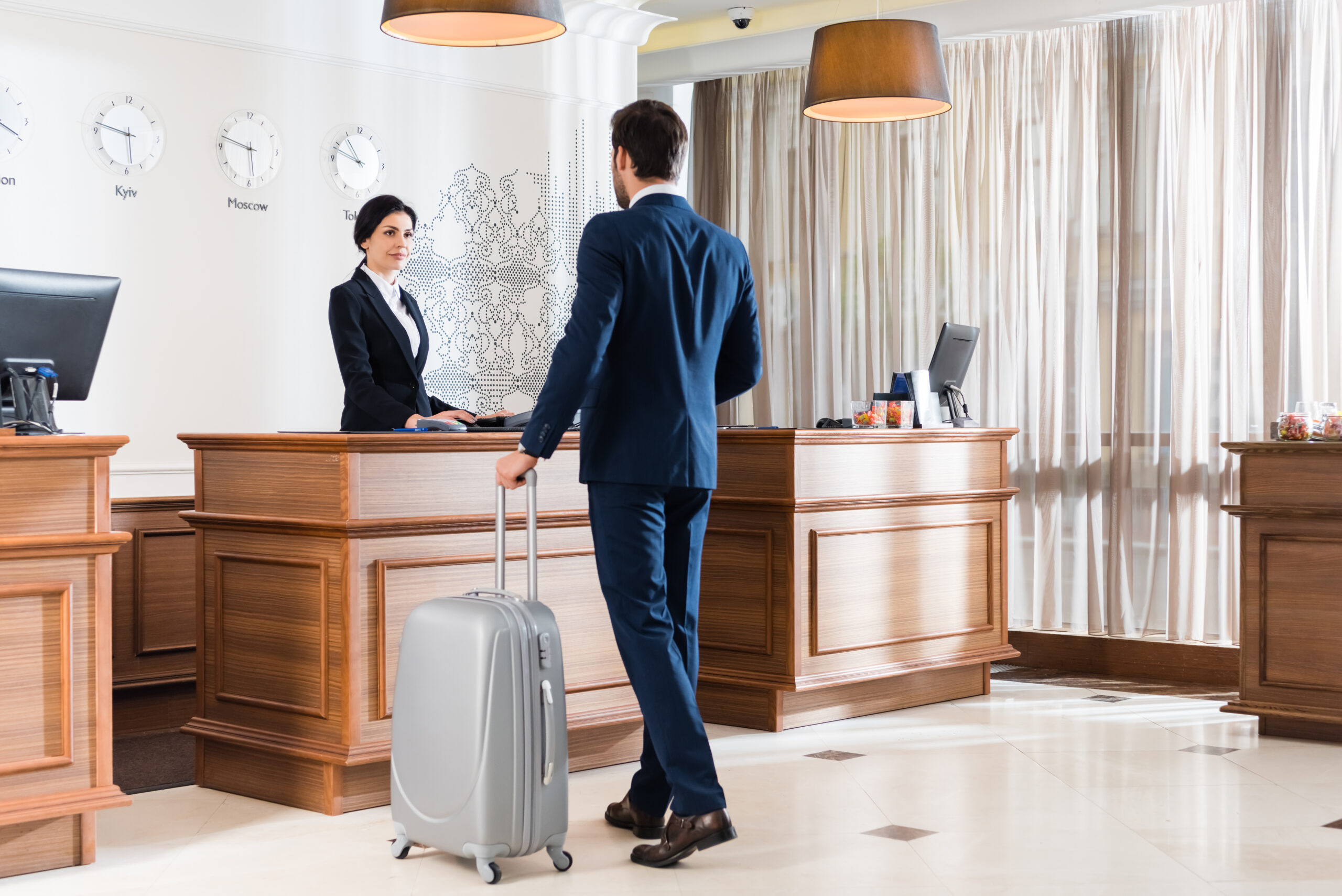
Travel disruption preparedness means arranging your flights, hotels, and backup plans so that when delays, cancellations, or unexpected landings occur, you have protection in place. For UAE travelers connecting through Dubai International Airport (DXB), which handled 95.2 million passengers in 2025 and is the world’s busiest hub for international travel, this is especially important.Being prepared means choosing flexible hotel rates, understanding cancellation policies, knowing your insurance coverage, and having a backup accommodation strategy ready. The right hotel booking approach before disruption strikes is the first step to stress-free travel.
Choosing the right place to stay is just as important as booking your flight. If you’re looking for the best hotel in Port Saeed Dubai, booking directly with flexible cancellation options can give you greater peace of mind when travel plans change unexpectedly.
Global airline delays surge due to weather, staffing shortages, airspace limits and infrastructure work at major airports, with about 20-25% of planes arriving late in major airports with average delays of 30 to 60 minutes.
Record passenger volumesForecasts call for global passenger traffic to reach or surpass pre-pandemic records, driven by pent-up leisure demand and continued recovery in business travel, with airlines scheduling more flights through already congested airspace
Staffing constraintsAirlines, airports and service providers have largely rebuilt headcounts since the early pandemic period, but tight labor markets, training backlogs and retirements in fields such as air traffic control continue to create constraints
Weather eventsIn Europe, the 2025 to 2026 windstorm season has produced similar turmoil, with one early January storm causing widespread chaos at Amsterdam Schiphol where more than 325 flights were canceled and over 600 delayed in a single day
Technical incidents Both Airbus and Boeing have struggled to ramp production fast enough to meet record order books, with ongoing supply chain issues, engine inspection campaigns and certification delays collectively limiting the number of new jets entering service
Infrastructure work
Construction and safety measures are adding friction at major airports, with temporary reductions in arrival rates during runway upgrades and safety work
Factor | Details |
|---|---|
Flight disruptions | Delays occur 20-25% of the time at major airports with 30-60 minute average delays |
DXB passenger volume | 95.2 million passengers in 2025 — world’s busiest international airport |
Hotel booking flexibility | Direct bookings allow free cancellation or rescheduling up to specific cutoff dates |
OTA rebooking challenges | Third-party platforms act as intermediaries, adding delays |
Travel insurance | Essential for covering alternative accommodation and transport during disruptions |
Direct booking advantages | Hotels prioritize direct guests for room holds and fee waivers during emergencies |
Choose “flexible rate” or “free cancellation” options offered directly by hotels — not through OTAs like Booking.com or Expedia. A recent study by Cloudbeds confirmed that cancellation rates of OTA bookings are TWICE as high as direct bookings — 21.8% versus 10.6%.Direct communication with the hotel can make the process clearer, and when you book direct, the hotel team can better respond to your specific needs. Many direct hotel bookings allow cancellation without penalty up to a specific cutoff (e.g., 24 hours before check-in). Always confirm the specific cancellation terms at booking.
Travellers planning to explore Dubai’s historic neighbourhoods should also look for accommodation with flexible booking policies. Staying at a best 4 star hotel in Bur Dubai allows you to enjoy the city’s cultural attractions while giving you more flexibility if your flight schedule changes.
Travel disruption uncertainty is high in 2026, due to government shutdowns, geopolitical events, and growing jet fuel shortages, with 56% of Americans purchasing travel insurance worried about trips getting cancelled or interrupted.Ensure your policy covers trip interruption and emergency accommodation. If your travel is delayed for the amount of time specified in your plan or interrupted due to a covered event, you may be reimbursed for certain necessary expenses during your delay, including unplanned hotel stays and food.
Important: Standard travel insurance may not cover all scenarios. Look for policies that explicitly include:
Download your airline’s app and enable real-time alerts. About 20-25% of planes arrive late in major airports with average delays of 30 to 60 minutes. Knowing about a delay before you leave for the airport gives you time to adjust your hotel check-in.When disruption hits, communicate directly with your hotel — not the OTA. Hotels can hold a room, waive fees, and coordinate early check-in when they hear from you personally.
During large events — concerts, sporting tournaments, conferences — hotels fill quickly, room types sell out fast, and plans often need adjusting. Being a direct guest gives you a faster line of communication when any of that happens.Identify one or two hotels in your destination city that accept last-minute direct bookings. Know these properties, save their phone numbers, and understand their availability for emergency bookings. This personal backup plan can save your trip when airline support is limited.
If your trip is extended because of a delayed or cancelled flight, choosing hotel apartments in Deira Dubai can be a practical option. The additional space and in-room facilities make longer stays more comfortable while you wait for your travel plans to resume.
When disruption hits, call the hotel directly — not the OTA hotline. When you book through an OTA, some changes may need to go through the third-party platform, and the hotel may not be able to modify the booking directly, especially when the OTA collected payment or controls the reservation terms.Hotels can hold a room, waive fees, and coordinate early check-in when they hear from you personally. Direct bookings come with hotel contact information that the front desk can pull up instantly.
Lost money: Non-refundable OTA bookings tied to a canceled flight may leave you paying for nights you cannot use
Stress and confusion: Without a backup plan, you end up queuing at airport help desks or scrolling for available rooms on busy booking platforms
No rebooking priority: A structured, tiered policy — flexible for direct, firmer for OTA — creates natural incentives for guests to book where commitment is highest
Extended recovery time: Delays in getting alternative accommodation compound the initial flight disruption
Mistake | Why It’s a Problem | What to Do Instead |
|---|---|---|
Booking only non-refundable rates | You lose money if the flight cancels hours after the cancellation deadline | Choose flexible rates, even if they cost 10‑15% more |
Relying solely on airline support | Airlines often have limited accommodation support during major disruptions | Purchase comprehensive travel insurance with emergency accommodation coverage |
Calling the airline before the hotel | You wait on hold while hotel rooms disappear | Email or call the hotel first to secure a room and negotiate terms |
Assuming all hotels offer late check-in | Many charge extra for arrivals after 11 PM without prior notice | Confirm late check-in policy and costs at the time of booking |
Not saving hotel direct numbers | You end up searching for contact info in the middle of chaos | Save direct hotel phone numbers and confirmation reference in your contacts before traveling |
Store hotel confirmation numbers and direct phone numbers offline
network congestion can prevent app access during large-scale delays
Check DTCM’s accommodation licensing before booking The Dubai Department of Tourism and Commerce Marketing (DTCM) is responsible for the licensing and classification of all tourism services including hotels, tour operators and travel agents. This protects you during disputes.
Compare cancellation policies across platforms
According to a 2025 SiteMinder study, 67% of travelers consider the cancellation policy before completing a booking
Consider loyalty program direct bookings: Direct bookings often include meaningful extras such as breakfast, late checkout, flexible terms or upgrade priority — these create real value beyond price alone
Set a calendar reminder
Review cancellation policy cutoff dates 48 hours before departure — many flexible rates require cancellation notice within 24 hours
Many hotels with flexible direct booking policies allow free cancellation up to 24 hours before check-in. For same-day cancellations due to airline disruption, call the hotel directly — they often waive penalties when you provide proof of flight cancellation. Hotels offer structured, tiered policies where direct guests receive more generous terms than OTA bookings.
Yes. The hotel may not be able to modify OTA bookings directly, especially when the OTA collected payment or controls the reservation terms. Direct bookings come with the hotel’s own cancellation policies, which are typically more flexible than OTA terms, and hotels can modify reservations instantly.
Trip Cancellation and Travel Delay coverages have become top priorities as natural disasters and weather events increasingly disrupt global travel plans. Yes — standard travel insurance may not cover flight diversions or emergency landings in the UAE. Look for policies that explicitly include trip interruption, missed connections, and alternative accommodation coverage.
Immediately contact a hotel near the diversion airport. If you booked directly, the hotel may hold a room or offer a rate reduction. File a claim with your travel insurer as soon as possible. Avoid booking via OTAs in that moment — direct communication gives you priority access to available rooms.
Properties offering flexible cancellation see 14% to 18% higher booking conversion rates compared to strict-policy properties. Most major hotel chains (Marriott, Hilton, Accor, Hyatt) display a “flexible rate” or “free cancellation” option when booking directly on their website or app. Independent hotels often advertise flexible rates on their own booking engines.
Unlock special offers available only when you book directly with us.
We respect your privacy. Your details will only be used to send the offer and booking link. No spam – unsubscribe anytime.
BEST RATES GUARANTEED